A 2025 high-mountain black tea from Anji, Zhejiang, scented with fresh chloranthus (zhu lan, "pearl orchid") blossoms. It has a natural orchid fragrance, different from the orchid notes found in oolong.
A long history: chloranthus-scented tea dates back to the Ming dynasty. The Qing-era Hua Jing (Mirror of Flowers) notes that lovers of pure fragrance would take the flower buds "to scent tea leaves, which is wonderful." Chloranthus blooms from early April to July. The flowers must be picked the same day: mature, plump, glossy, green-yellow to golden. They open in the afternoon, so scenting begins then to capture the fragrance fully. Large-scale production began in the Xianfeng era of the Qing dynasty and was widespread by around 1890. Chloranthus is not a true orchid, but its fragrance is remarkably close to one, which makes it ideal for scented tea.
Base tea: 2025 spring black tea from Anji in Zhejiang, made from the local seed-grown "tu cha" bushes rather than the Anji Bai Cha cultivar (White Leaf No. 1), which is high in amino acids but unsuited to black tea. The garden lies at roughly 600–800m and is being gradually returned to the wild: no fertilizer (not even natural), no pesticides, no weeding and no pruning.
The craft: modern method, scented three times with fresh chloranthus, then dried at low temperature.
Tasting notes (August 2025):
Dry leaf: dark and fine, with an elegant, natural orchid-like fragrance. There may be a few dried chloranthus flowers.
Liquor: clear orange-gold, clean and sweet, with an elegant orchid fragrance that is rich but not harsh, clear but not thin. Fine and silky, with a cooling mouthfeel. The floral note leads and the tea is moderate in strength, with a sweet, lasting, uplifting finish and eight or more infusions.
Spent leaves: soft, clean, bright red-brown and springy.
Brewing: 5g in a 150ml gaiwan, spring water at about 90°C (194°F), 3–5 seconds per steep. Important: this tea is sweet and mellow at lower temperatures and much less pleasant brewed very hot. A porcelain cup brings out more of the sweet, smooth character.
A note from the tea maker (2017): after a tiring trip, he found this tea tasted thin and wondered with his teacher whether modern scenting wears away the tea's own character. His teacher replied that "lightness" is itself a kind of cultivation, a kind of Zen. As they talked, by the sixth or seventh infusion, the flavor suddenly came alive.
Packing: 100g tin with the tea sealed inside in a bag, almost no dried flowers. 500g (1 jin) = five tins.
Storage: room temperature, dry, cool, clean and away from light. No need to refrigerate.
Shipping: Each order is prepared for you after purchase and ships within 1–2 weeks.


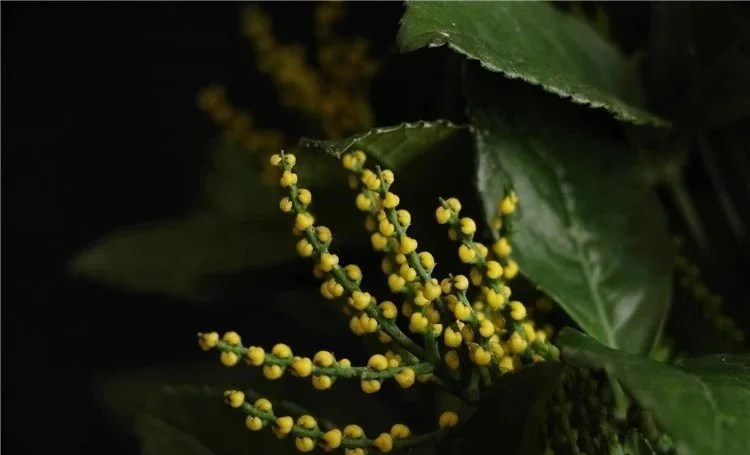 Image 1 of 6
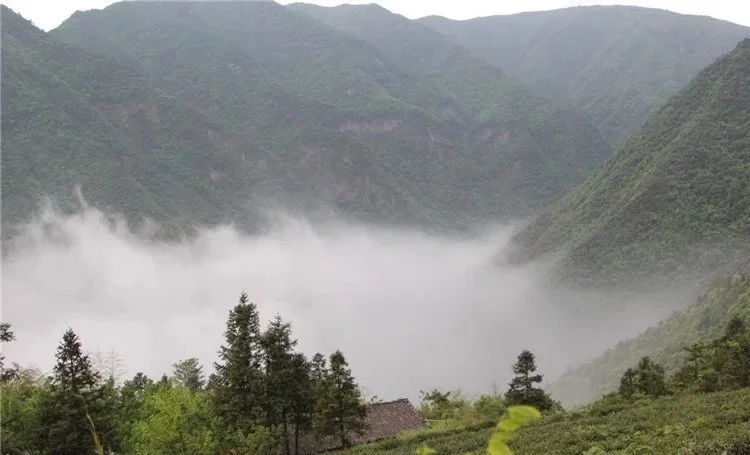 Image 2 of 6
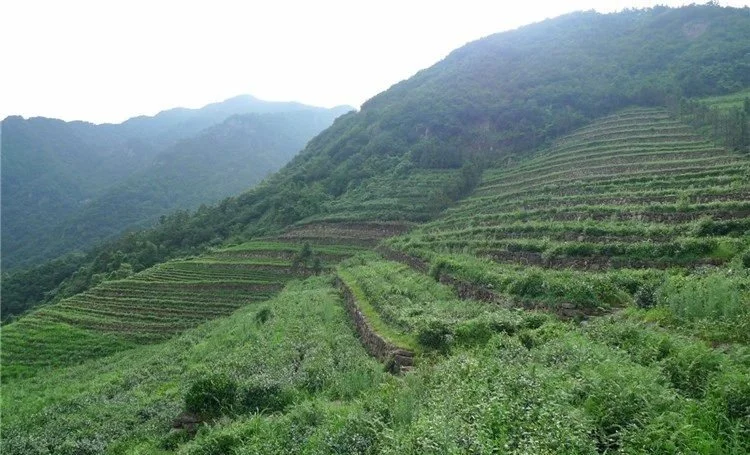 Image 3 of 6
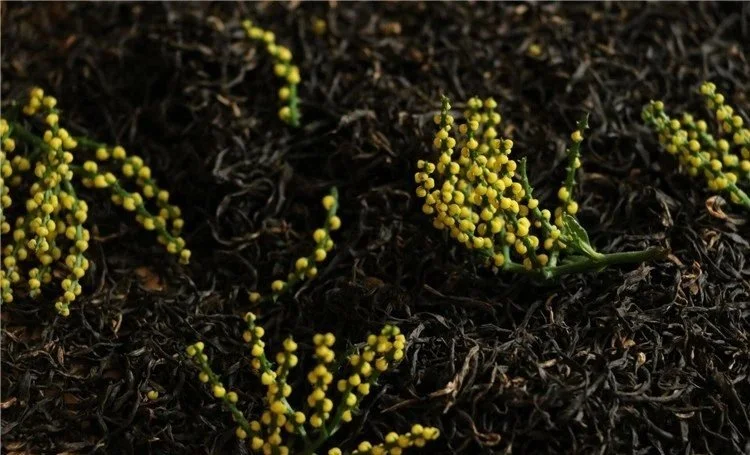 Image 4 of 6
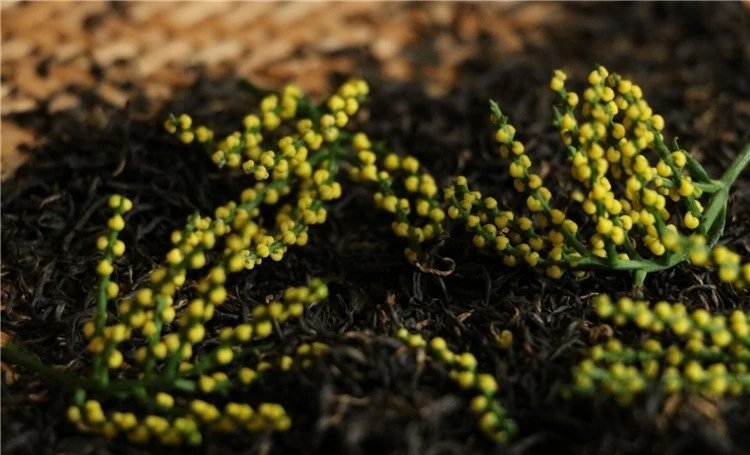 Image 5 of 6
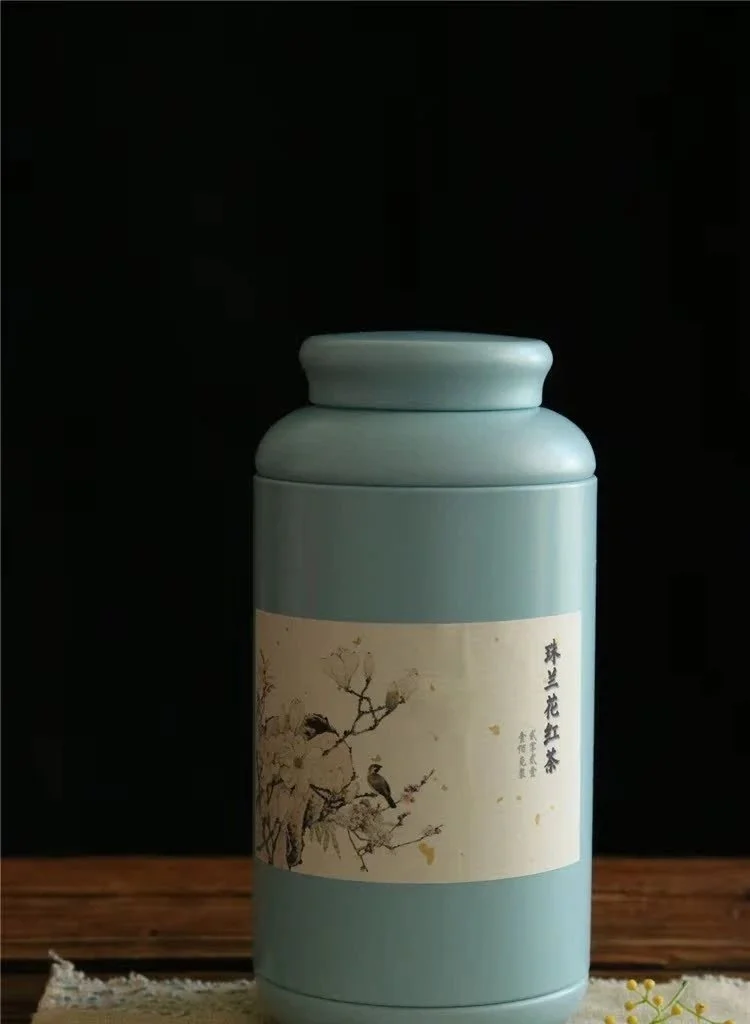 Image 6 of 6