Two pure-jasmine teas, each scented with fresh jasmine from Zhenghe, Fujian. The scenting is done at Tongmu in the Wuyi Mountains, and the tea is packed by a licensed facility in Leshan, Sichuan, which is why the label lists Sichuan. The flowers are picked out of the finished tea, leaving only the leaves.
"Zhao Mu" (Dawn to Dusk) Jasmine White Tea, 2025
Base tea: 2022 wild-grown Fuding White Peony (close to first grade), Huacha No. 2 cultivar, bought and stored by the studio. (The 2022 edition used a 2017 White Peony; the method is the same.)
The idea: the tea maker prefers scented teas where the tea leads and the flower supports, and he always uses the best base that suits. This tea pairs a wild White Peony with careful scenting so that "tea and flower complement each other." If you like very strong jasmine tea, this one may not be for you.
The craft: it skips the conventional jasmine-tea steps of adding champaca, heaping the tea in large piles and building pile heat. Instead it uses the tea maker's own (confidential) technique: pure jasmine, scented off the ground, with temperature and humidity controlled and kept low from scenting through drying. This protects the tea, so it can even continue aging into an old white tea. The result keeps the tea's flavor remarkably well, with a jasmine fragrance that is quiet, fresh and long-lasting. Getting there takes a lot of fresh flowers, multiple scentings and close attention at every step. Each flower run means a 7-hour round trip from Zhenghe to Wuyishan.
About regions: China's jasmine tea comes mainly from Guangxi, then Fuzhou, then Sichuan. Sichuan jasmine teas are fuller-flavored but more bitter underneath, while Fuzhou jasmine teas are not bitter and taste lighter.
Dry leaf: fresh, lively jasmine.
Liquor (Sept 2025): clear, sweet, fine, fresh and mellow. The jasmine is infused into the liquor and blended, fragrant but not overpowering. The liquor is steady and the aroma subtle, with a clear wild character and a fragrant, cool finish. Jasmine still shows at the tenth infusion.
Brewing: 5g in a 150ml gaiwan, purified water at 90–95°C (194–203°F), 3–10 seconds per steep.
Packing: 50g box (flowers removed). 100g = two boxes; 500g (1 jin) = ten boxes.
Jasmine Lapsang Souchong Black Tea, 2025
The story: in 2020 the tea maker asked a fellow tea master in Sichuan to scent his Lapsang with jasmine. It went well, but his friend said frankly that he would never do it again because it was simply too hard. So from 2021 the studio has done it themselves. They found a jasmine source in Zhenghe, bring the flowers back to Tongmu Pass in the Wuyi Mountains, and work to their own parameters.
The flowers: jasmine is picked as buds, which open quickly in the heat, so the car is parked beside the fields and the flowers are kept cool with the air conditioning. Each trip is a 3+ hour drive each way. The flowers are sieved to remove small buds and debris, then damaged flowers are picked out by hand, leaving clean, even, premium flowers to scent with right away.
The craft: made entirely by hand using the modern method. One round of scenting is: lay in flowers, sieve, mix tea and flowers, rest so the tea absorbs the scent, separate tea and flowers, dry at low temperature. The tea is scented three times, but the total flowers used equal roughly six rounds elsewhere, so the fragrance is fully developed. Each scenting costs the tea some flavor, so they stop at three rounds for a jasmine black tea where both the floral and tea notes are excellent.
Dry leaf: fresh, rich jasmine with a sweet note, mixed with black tea.
Liquor (Sept 2025): the jasmine is fresh, lively and penetrating in the cup. The liquor is golden and clear, showing both the old-bush character and the mountain terroir of Zhengshan Xiaozhong. It is clean, soft, sweet, fine and lively, with a lasting sweet, fragrant finish and a clear cooling sensation. The floral notes last more than ten infusions.
Brewing: 5g in a 150ml gaiwan, spring water at 95–100°C (203–212°F), 3–10 seconds per steep.
Packing: 100g box (flowers removed); 500g (1 jin) = five boxes.
Storage: room temperature, sealed, in a cool, clean, dry place.
Shipping: Each order is prepared for you after purchase and ships within 1–2 weeks.


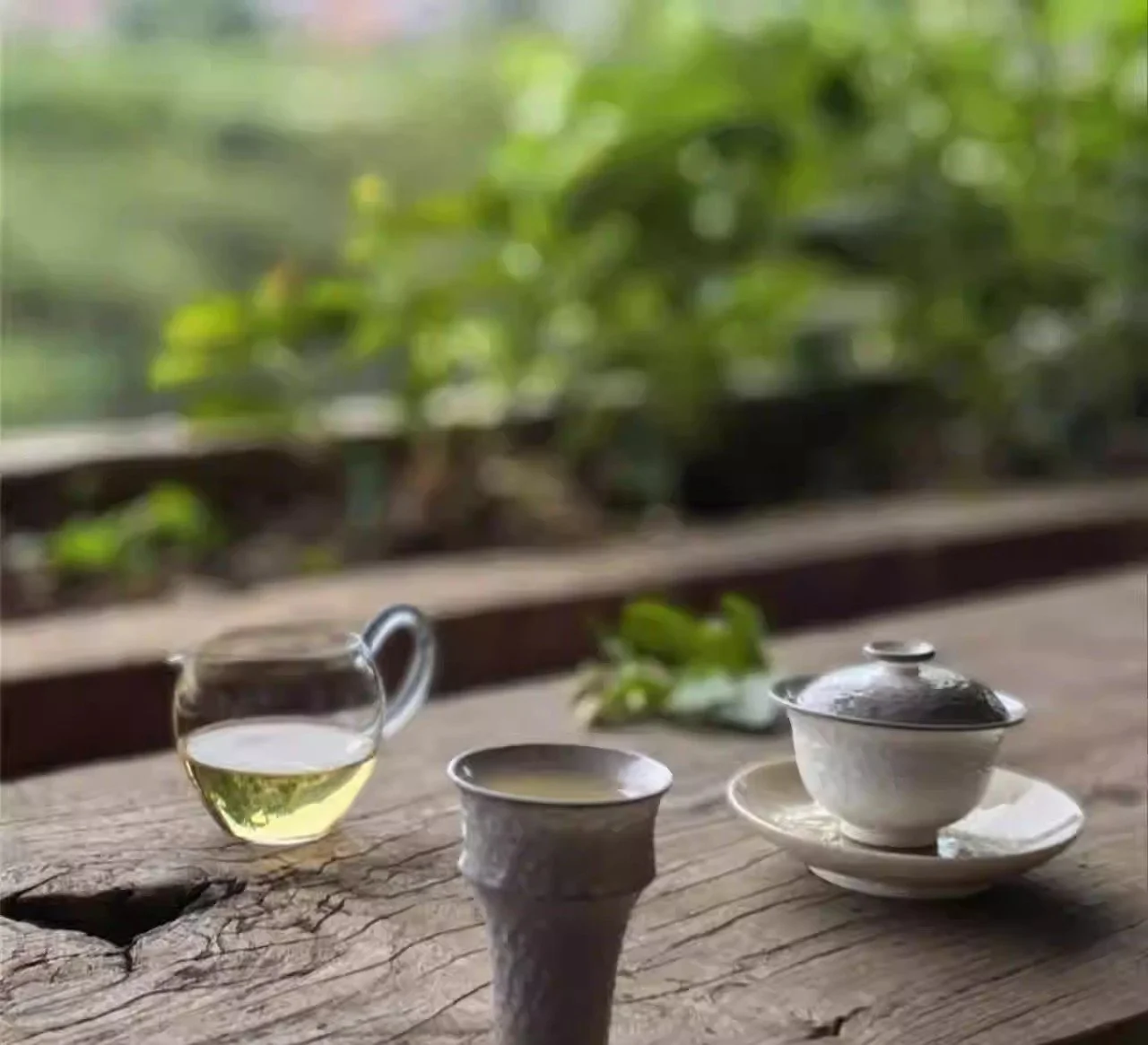 Image 1 of 6
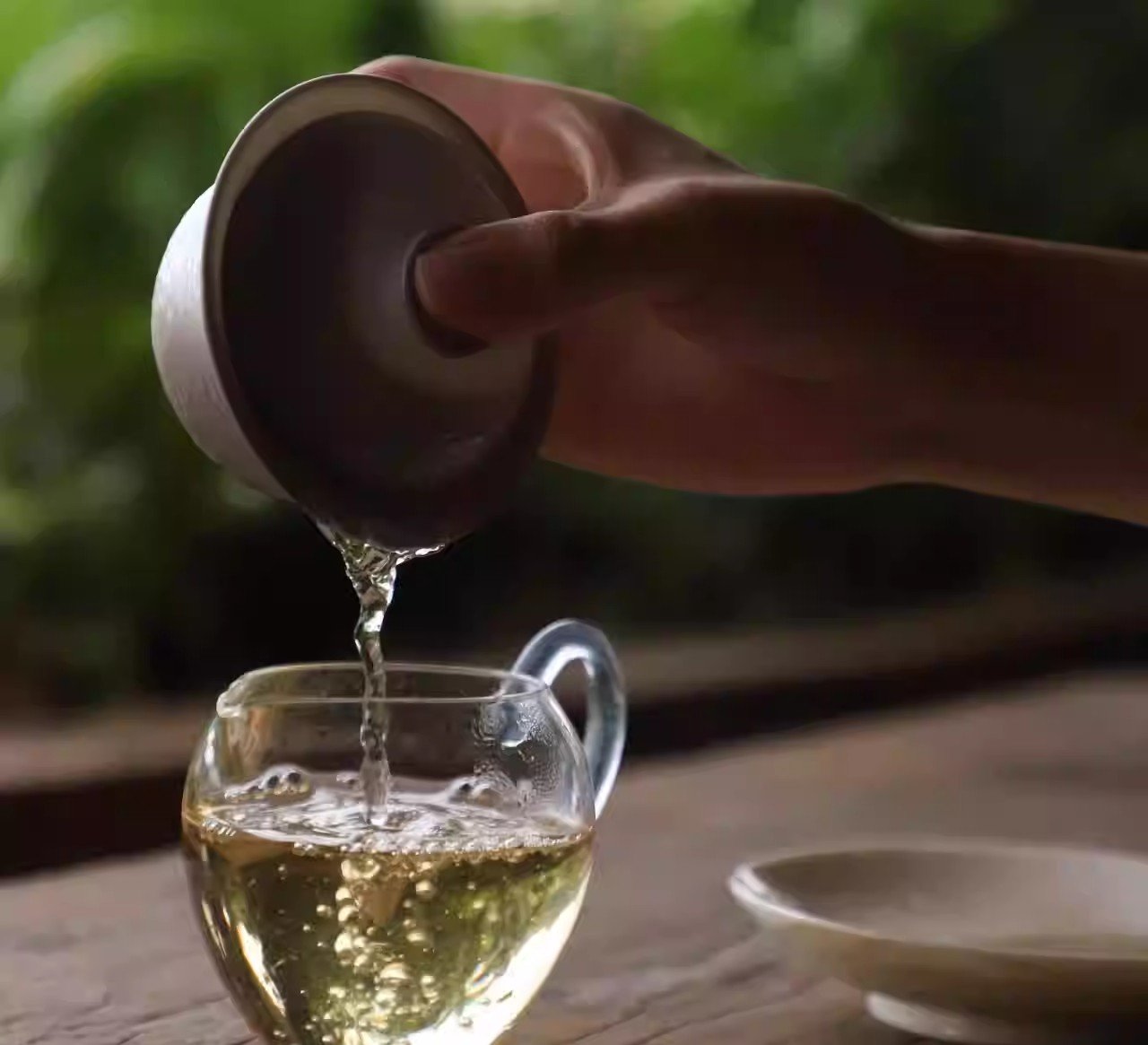 Image 2 of 6
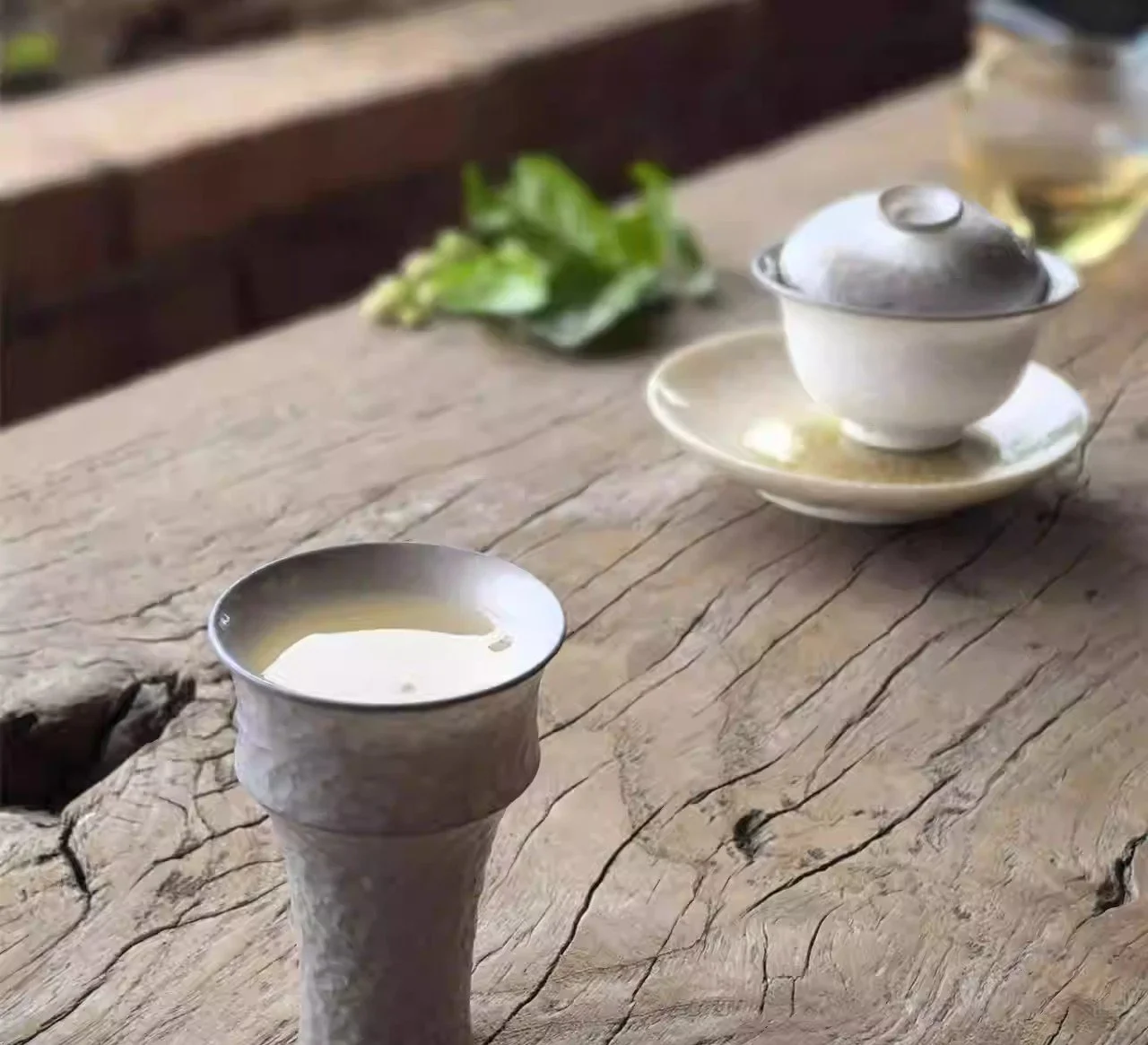 Image 3 of 6
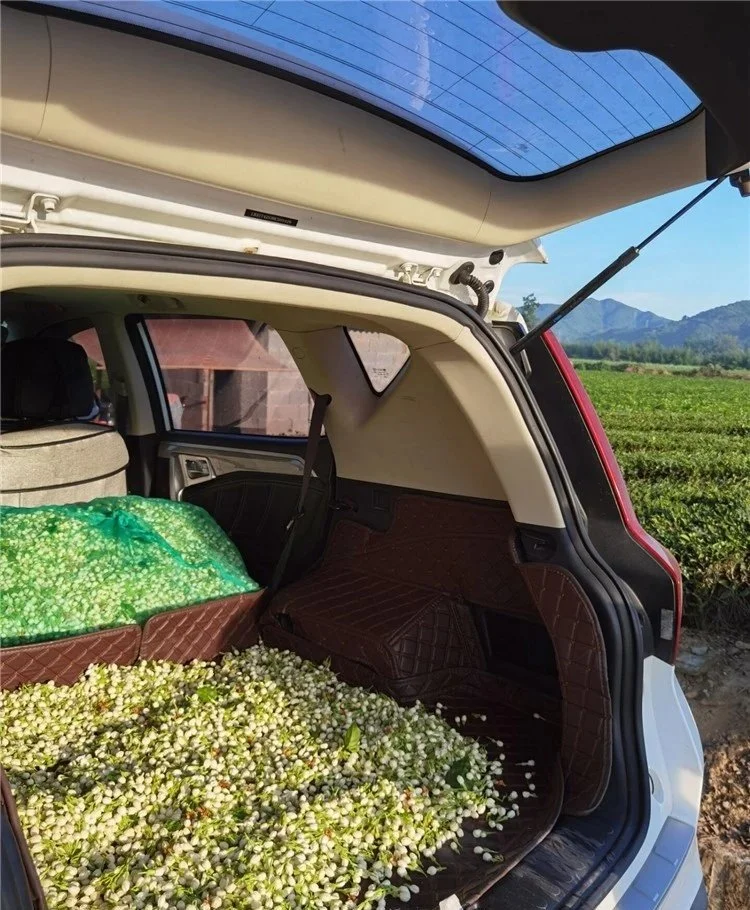 Image 4 of 6
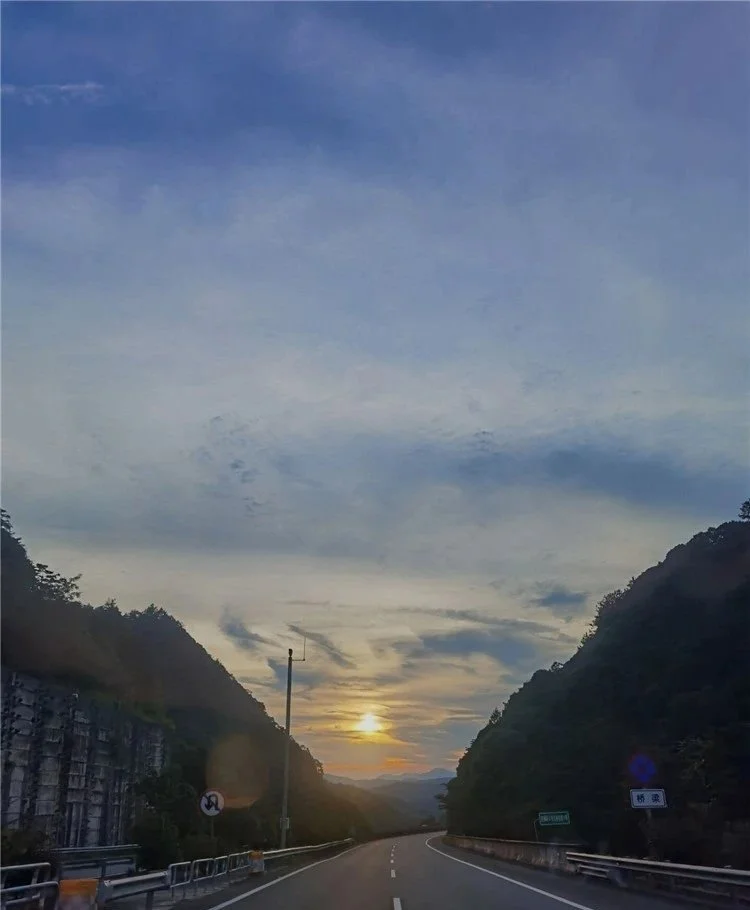 Image 5 of 6
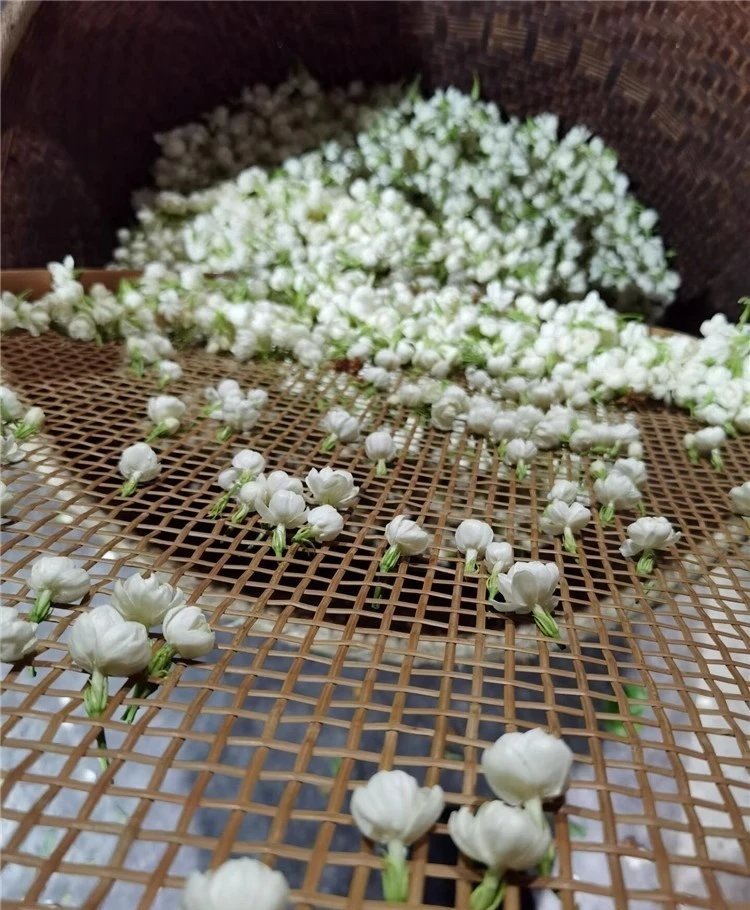 Image 6 of 6