Fresh osmanthus (gui hua) scented into five very different teas. The flowers are late-blooming wild mountain osmanthus from Xianning, Hubei, known as China's "home of osmanthus" and the tea maker's hometown. They are picked in the eighth lunar month, mostly silver osmanthus with a little golden osmanthus. Everything is made entirely by hand with pure fresh flowers, using the traditional cold-scenting method, and every tea contains leaves together with dried flowers. The teas are scented in Xianning and packed by a licensed facility in Sichuan.
On osmanthus varieties (the tea maker's notes): silver osmanthus has a fresh, airy, ethereal fragrance. At first the finished tea isn't strongly scented, but the freshness is superb. Over time the fragrance grows richer while staying fresh. Golden osmanthus is immediately appealing, deep yellow, rich and sweet, but it has a subtle "heaviness" that turns and settles mid-palate. Silver is purer and keeps rising, penetrating and far-reaching. His preference is mostly silver with a little golden to lift the aroma. (These notes apply to Xianning mountain osmanthus and this method only.)
Osmanthus Lishan Oolong (2025)
The base is a 2025 spring Lishan high-mountain oolong from Taiwan: a high-grade Fushou Lishan in the light, fragrant style. Since its development in 2019 this tea has been a perennial favorite and is always in short supply. Lishan is a tightly rolled ball-shaped tea, which makes it very hard to scent. After two to three years of experimenting, the tea maker developed his process: "big-pile infusion, fine small-sieve finishing, sieving out flowers midway, and multiple scentings." Silver osmanthus brings freshness and golden osmanthus adds sweet depth. From detailed yearly records, he settled the right number of scentings and the tea-to-flower ratio around 2021.
Liquor (Nov 2025): mellow, fresh and brisk, clear, sweet and fine, full-bodied and long-lasting, and a near-perfect match for the osmanthus. It leaves a cool feeling around the teeth and a mouthful of floral fragrance.
Brewing: one 5g sachet (tea and flowers) in a 150ml gaiwan at 95°C (203°F), 5–10 seconds per steep. Drain fully each time.
Packing: 50g tin of 10 × 5g sachets. 100g = two tins; 500g = ten tins. Store refrigerated or frozen, away from light.
"Qiu Xian" (Autumn Leisure) Osmanthus Charcoal-Roasted Oolong (2025)
The base is a 2025 spring wild-grown large-leaf oolong from Anxi, charcoal-roasted. Fresh, light teas usually suit scenting better, but the warmth and depth of a traditional roasted tea, sweetened by the flowers, is a lovely choice for those who run cold or love oxidized teas. Blending floral notes into a strong, roasted tea is technically very demanding. It took excellent osmanthus and round after round of careful scenting to unite the fresh, sweet flower with the warm, mellow tea. "When people are at leisure, the osmanthus falls."
Liquor (Nov 2025): fresh osmanthus mixed with the oolong's roasted note (like barley tea) and a powdery fragrance. The liquor is sweet and mellow. Between sips, a gentle osmanthus fragrance lingers on the lips and in the breath, with a long, sweet finish. Roasted tea is warming in nature.
Brewing: 5g (with flowers) in a 150ml gaiwan at 100°C (212°F), 3–10 seconds per steep. Drain fully each time.
After two to three months of rest, the aroma and liquor blend even better and the body deepens noticeably.
Packing: 100g; 500g = five tins.
Osmanthus Gongmei White Tea (scented 2021)
White tea is neither fired nor rolled, so its cell walls stay intact and it absorbs scent poorly. In Chinese tea circles there is a saying, "white tea doesn't take fragrance." The tea maker began experimenting in 2017 and succeeded with fresh-osmanthus white tea in 2018. The base is a 2020 sun-dried wild Gongmei from Fuding (Cai Cha variety), clean, mellow, fine and long-lasting. It was scented in September 2021 and packed in 2023. Traditional cold scenting preserves the freshness of the flowers and needs no second roasting, so white teas like this can continue to age.
Dry leaf: elegant osmanthus and floral honey. Lid aroma: the tea's own wild character.
Liquor (Nov 2023): clean, fresh and mellow, with an elegant, lasting osmanthus fragrance. It is sweet with downy notes, silky and fine, with many infusions, a cooling mouthfeel and a sweet, fragrant throat. Allowed to cool naturally, it is softly fragrant and sweet, a treat in itself.
Brewing: 5g (with a few dried flowers) in a 150ml gaiwan at about 95°C (203°F), quick infusions.
The loose white leaves let the flowers sink, so invert and gently shake the tin before use. The leaves are fragile.
Packing: 100g tin; 500g = five tins.
"Yun Wai" (Beyond the Clouds) Osmanthus White Peony (scented 2022)
The base is a 2017 wild Fuding White Peony: purely sun-withered Huacha No. 2 spring tea, close to first grade. A tea neither new nor old, it combines a soft, glutinous character with freshness, and the osmanthus is layered over that. The moist heat of scenting also helps the tea age further, while the liquor stays fresh enough to pair with the flowers. Scented October 2022, packed 2023.
Dry leaf: fresh osmanthus with downy and honey notes.
Liquor (Dec 2023): clean and soft, with an elegant osmanthus fragrance. The liquor is steady and very sweet, with downy notes and a light osmanthus that lingers on the lips. The osmanthus is even more pronounced as the tea cools. Overall clear and sweet, ideal for quiet sipping.
Brewing: 5g (with a few dried flowers) in a 150ml gaiwan at 90–95°C (194–203°F). Pour at a medium water line at a fixed point and decant quickly. No rinse needed.
Packing: 50g tins. 100g = two tins; 500g = ten tins.
"Yu Shu Xuan Qiu" (Jade Tree Hanging in Autumn) Osmanthus Lapsang Souchong
Lapsang Souchong is a powerful black tea with strong structure, far harder to scent than gentle Jiuqu Hongmei. After failed attempts, the tea maker produced just 1.8 jin in 2018 and 60 jin in 2020. In 2021 he documented the full process, gave the tea its name, taken from the Song-dynasty poet Wu Wenying's ode to osmanthus, and registered it. From 2022 to 2025 he refined the details further. The base is a 2024 spring Xiao Chi Gan (finer, more tender) grade unsmoked Lapsang from Tongmu Village, Wuyi Mountains: a semi-wild old-tree garden at about 1,000m with no fertilizer, pesticides or pruning, weeded by hand.
Dry leaf: fresh osmanthus.
Liquor (Nov 2025): clear, fine and lively. The osmanthus and tea are blended and come through as fresh and sweet, with a pronounced old-bush (cong) note. Osmanthus lingers long in the mouth and nose after swallowing, with excellent depth.
Brewing: 5g (with flowers) in a 150ml gaiwan, purified water at 95°C (203°F), 3–5 seconds per steep.
Packing: 100g tin; 500g = five tins.
Fresh-scented vs. blended
With traditional cold scenting, the dry tea smells almost exactly like the fresh flower, while tea simply blended with dried flowers smells strong but never fresh. In these teas the flower and tea merge. Even when the osmanthus isn't obvious at first sip, it meets the palate between tongue and swallow and returns, faint and far-reaching, through the nose and mouth. The teas also evolve: with storage the osmanthus grows richer while staying fresh, and flower and tea blend until they are inseparable. In blended teas, "the flower is the flower and the tea is the tea."
Tip: the dried flowers settle, so invert and gently shake the tin before measuring.
Storage: room temperature, sealed, cool, clean and dry. Refrigerate the Lishan oolong.
Shipping: Each order is prepared for you after purchase and ships within 1–2 weeks.


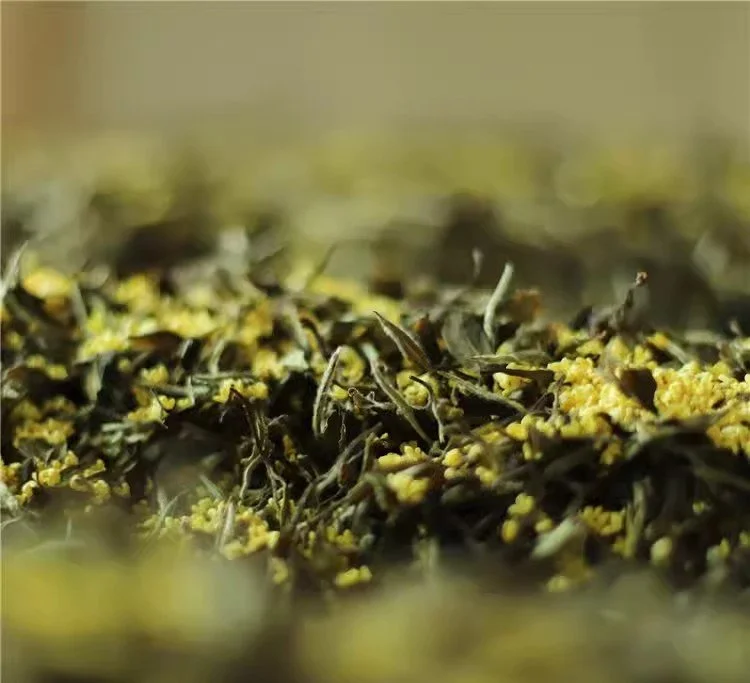 Image 1 of 8
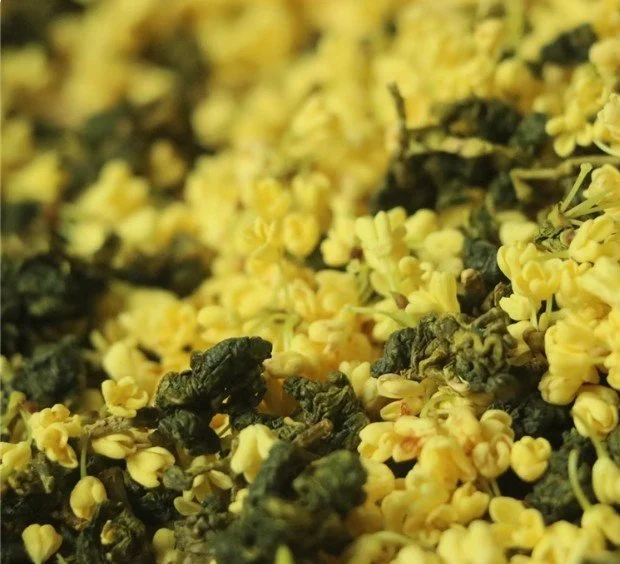 Image 2 of 8
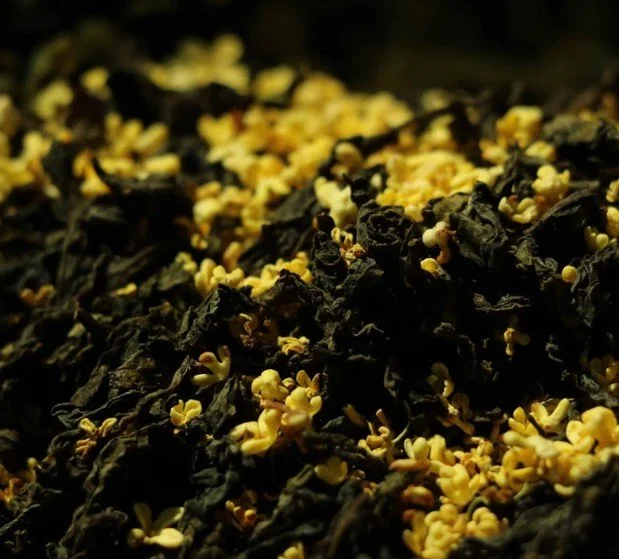 Image 3 of 8
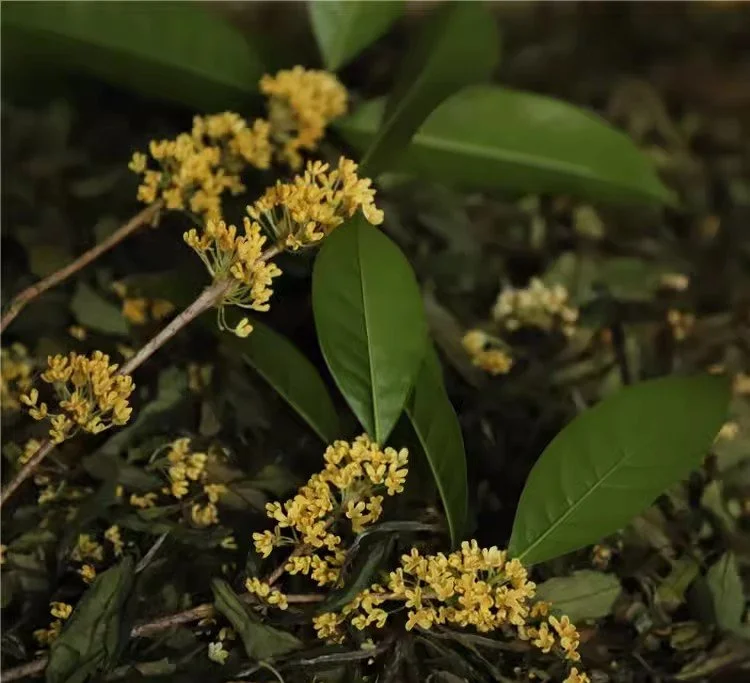 Image 4 of 8
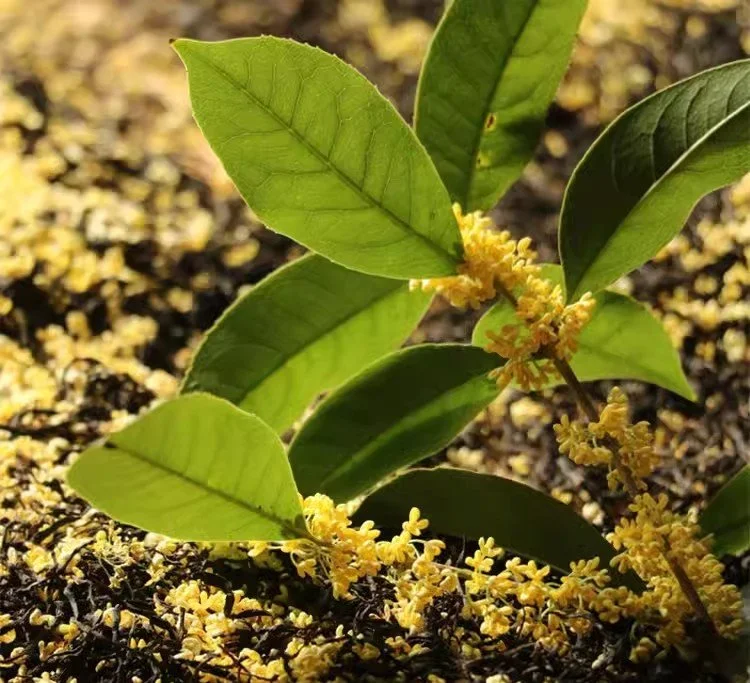 Image 5 of 8
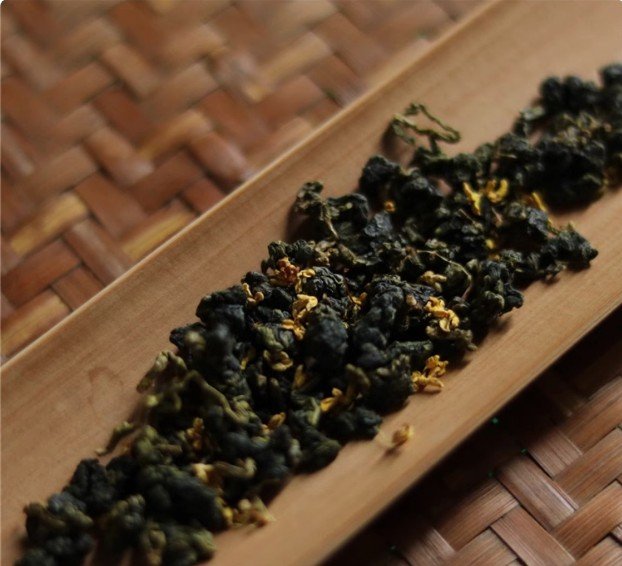 Image 6 of 8
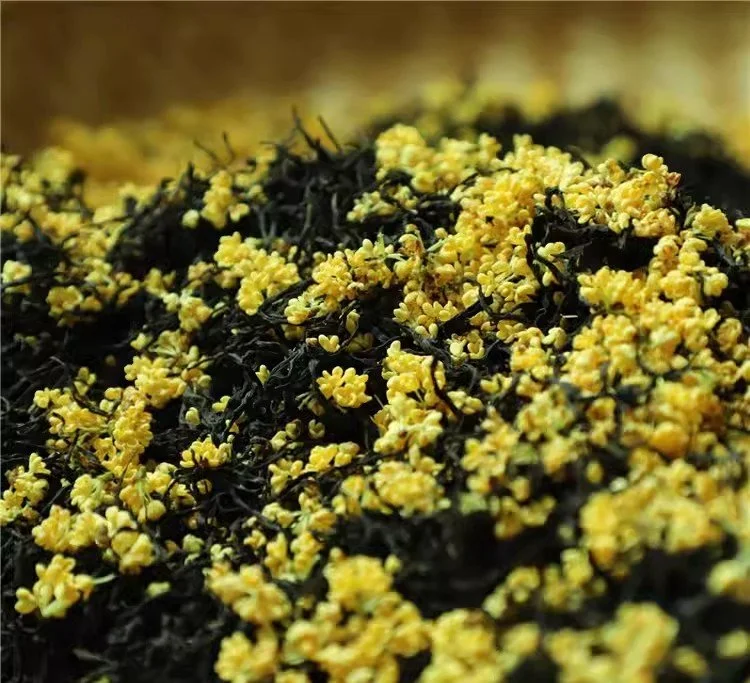 Image 7 of 8
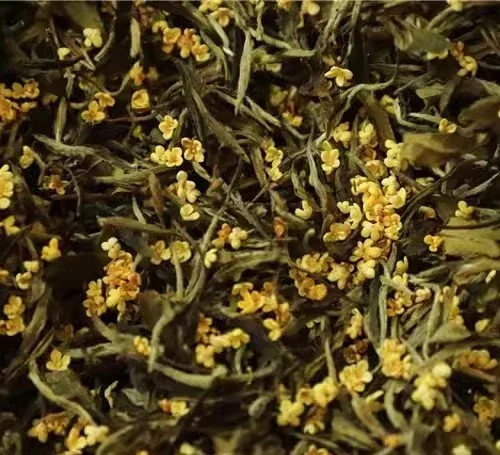 Image 8 of 8