Authentic traditional pine-smoked Zhengshan Xiaozhong (Lapsang Souchong) from Tongmu Pass in the Wuyi Mountains, the birthplace of the world's black tea. Each vintage is offered as a tasting sample of 2 × 5g sachets, plus a trio set with two sachets of each year. Stock of these vintages is very limited, so they are not sold in full-size packs.
The vintages:
2020, light smoke: the "fire" has faded and the pine smoke has melted into the liquor, which is smooth, soft and sweet, with a clear longan-soup character developing. Very rare.
2021, medium smoke: strong, powerful, lively pine smoke, slightly dry, with a longan-soup character.
2022, medium smoke: rich, long-lasting pine smoke, not yet fully settled and still fairly dry, with an emerging longan-soup character.
All three use Tongmu Zhengshan Xiaozhong leaf, smoked by the same maker in a traditional smoking loft (qing lou). Brew each year separately rather than side by side, since the flavors can clash.
About smoked Lapsang: Tongmu Lapsang was traditionally smoked. After Jin Jun Mei (an unsmoked tea) was developed in 2005, unsmoked Lapsang became the norm, and genuine, well-made smoked Lapsang from the origin is now hard to find. The studio and a farmer friend spent two to three years developing this style, using the Wuyishan Tea Bureau's standard sample as a reference and adapting it to today's taste.
The leaf: high-mountain Cai Cha from old trees in Tongmu Village at about 1,000m (many are likely decades to a century old), in a hand-weeded garden that is never pruned, fertilized or sprayed. The grade is between Da and Xiao Chi Gan, a "middle Chi Gan."
The craft: the hardest step is withering in the smoking loft at 30–40°C, turning the leaves often so they absorb the smoke evenly, which is very harsh work. The leaves are rolled while still warm, then oxidized naturally in aerated bamboo baskets. Only good pine will do: compounds in pine are what give aged smoked Lapsang its prized "longan soup" character. The fire is lit on the ground floor, and milky-white pine smoke rises to the second-floor roasting room at 70–80°C, where sieves of tea are smoke-roasted on racks.
The philosophy: early smoked Lapsang was very heavily smoked for export and blending with milk. Today people mostly drink tea plain. For long aging the smoke must penetrate fully, which needs the complete traditional process, but it shouldn't overpower. The goal is a pure, lasting pine smoke while keeping the tea's own woody, old-bush character: "about half smoke, half tea, inseparable."
2021 tasting notes: dark, medium-sized leaves with an intense, smoky aroma. The liquor starts pale yellow and deepens with each steep. Lively pine smoke, plenty of fruit, a fresh liquor, some salivation and a good finish. It grows sweeter from the 3rd infusion, the pine smoke is pure and lasting over 10+ infusions, and the fruit already shows, with longan soup to come with age.
Brewing: 5g in a 150ml gaiwan, purified water at 100°C (212°F). Rinse once, then steep for 10–20 seconds. After 4–5 infusions you can steep longer.
Not recommended if you dislike smoky teas. Smoked Lapsang improves with age, and these are still young.
Shipping: Each order is prepared for you after purchase and ships within 1–2 weeks.


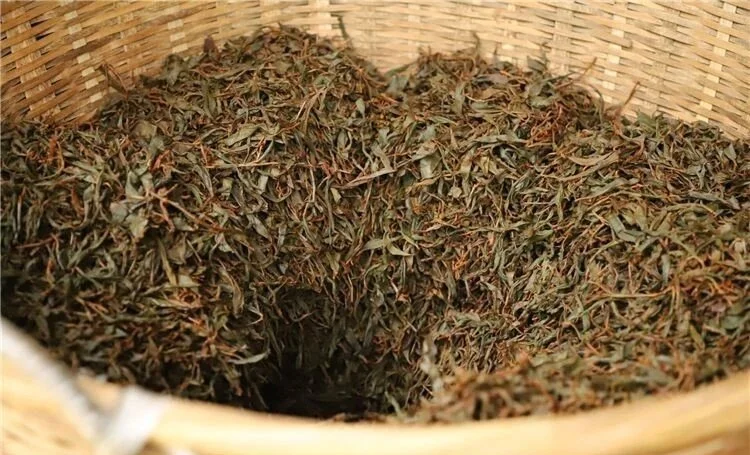 Image 1 of 6
 Image 2 of 6
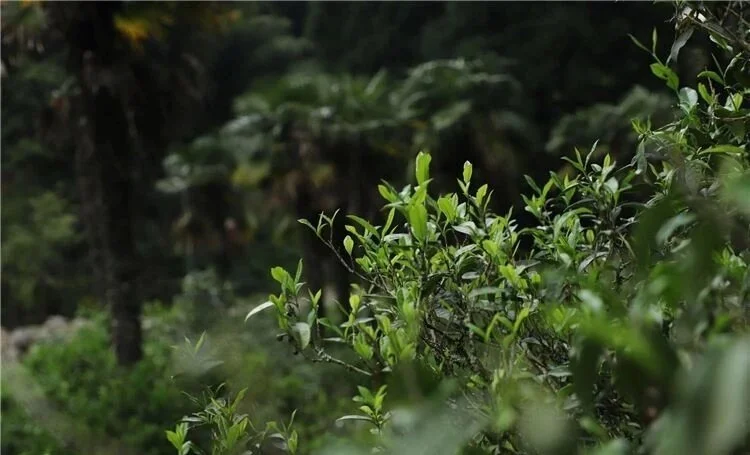 Image 3 of 6
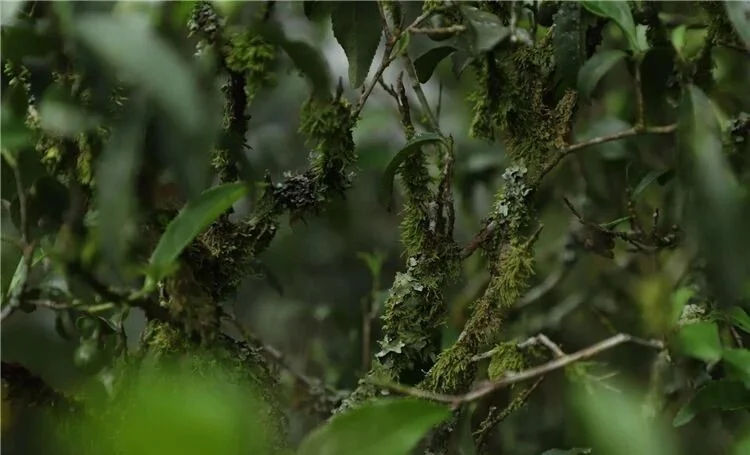 Image 4 of 6
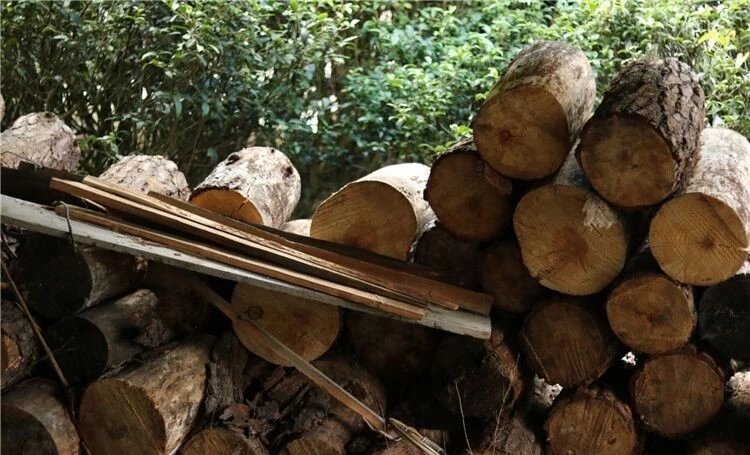 Image 5 of 6
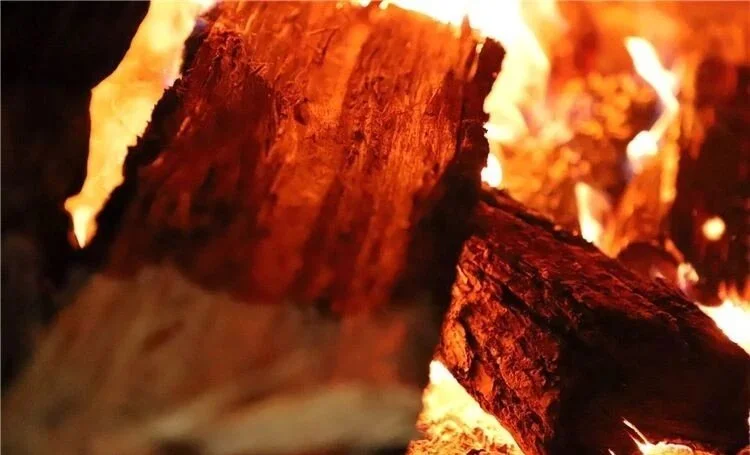 Image 6 of 6