Fresh white champaca (bai lan hua, Magnolia × alba) blossoms, hand-scented into a range of fine teas. All of these teas are scented with fresh flowers together with the leaves. None of them is dried flowers blended in afterwards.
About the flower: White champaca blooms over a long season. The first flush is in May to July and the second in September to October. Many people in China remember elderly women selling the blossoms from baskets on the street in flower season, as single flowers or strung garlands, to carry their fragrance for days. Champaca is often used as a base note when making jasmine tea, and because of poor technique or marketing it has an undeserved reputation for low quality. The truth is that it is demanding to work with: most makers can make it "strong," but few can keep it "fresh."
The craft: The studio uses the traditional cold-scenting method, made entirely by hand, which is especially kind to champaca's fresh fragrance. Each flower's stem is trimmed by hand and the blossoms are turned gently, which produces beautiful, high-quality dried flowers. Only just-opened blossoms are used, shipped from Lishui, Zhejiang by cold-chain air freight. Only exceptional wild-grown teas are chosen as bases.
Choosing a style: the Green Tea captures the scent of the fresh champaca flower most faithfully. The other styles blend the tea's own character with a layered champaca fragrance, so choose by personal taste.
Green Tea (2026), 250g tin
High-mountain "Lao Chuan" (old Sichuan) cultivar from Muchuan, Leshan, Sichuan. It grows at about 1,200m in an old-tree garden that uses no fertilizer or pesticides. Made by hand: modern roasting and pan-firing combined with traditional cold scenting, with the flowers removed from the finished tea. It is made to the Chinese national jasmine-tea standard (GB/T 22292-2017, which includes champaca as a base note), but its fragrance is fresh, rich champaca, hence its name "Champaca-Fragrance Green Tea."
Jasmine's fragrance is bright, lifted and penetrating. Champaca is deeper and more grounding, a calm quality that settles the mind. The fresh flower smells wonderfully sweet, almost like syrup. The signature of this tea is a fresh, rich, deep champaca fragrance with honeyed sweetness, over the clean, full taste of high-mountain Sichuan tea.
Dry leaf: fresh, rich champaca with a honeyed character, very close to the fresh flower.
Liquor (June 2026): a fresh, rich, deep champaca fragrance (settled and composed, not stuffy), with a sticky honey sweetness and fruit notes. The liquor is fine, soft and mellow, with a cooling mouthfeel and lingering fragrance. Later steeps show a slight astringency. Both the floral and tea notes last many infusions.
Brewing: 3g of tea with water at 90–95°C (194–203°F); spring water is best. In a glass, pour 300ml of water first, then add the tea, and don't pour too vigorously when topping up. Gongfu: 150ml gaiwan, 3–5 second steeps.
Shoumei White Tea (2026)
Developed in 2019, made in 2020–2021, paused from 2022 to 2024 and revived in 2025 at customers' request. The base is a 2023 wild Shoumei, mainly Huacha No. 2 with some Huacha No. 1. The studio chose it after trialing many wild teas and years and screening for pesticide residue. It is connoisseur-grade, rich in substance, with a pronounced wild character. With over two years of age it has the freshness of new tea without the grassiness, which makes it ideal for scenting. The 40+ jin made in 2025 sold out.
Dry leaf: fresh champaca, honey and a cooling note.
Liquor (March 2026): soft, clear and sweet, with obvious fruitiness, a clear cooling sensation and a sweet finish. The champaca is rich, leaning woody and spicy. Overall crisp and sweet, with strong floral and fruit notes. Long-lasting, with slight astringency in the late steeps and a rich cup-bottom aroma.
Brewing: 5g (about 2 dried flowers) in a 150ml gaiwan at 95–100°C (203–212°F), about 5 seconds per steep.
White Peony (2026 and aged 2024), 80g tins
The base is a 2022 spring White Peony from Panxi, Fuding. It comes from about 20 years of wild growth, is close to first grade and was fully sun-dried. The studio created champaca White Peony as a more refined-looking alternative to Shoumei.
Dry leaf: fresh, rich champaca.
Liquor: fresh, tender white tea with champaca. The first steep has a slight new-tea note, then it turns clean. Overall a fresh, sweet white tea with downy notes, blended with a rich, lasting champaca fragrance. The sweetness carries down the throat, with a cool feeling around the teeth, a long finish and many infusions.
Brewing: 5g (with 1 flower) in a 150ml gaiwan at 95°C (203°F), 3–10 seconds per steep.
Aged Charcoal-Roasted Oolong (2025)
The base is a spring wild-grown large-leaf oolong from Anxi, Fujian, charcoal-roasted slowly over a gentle fire so the roast is not heavy. Because it is wild and roasted, the leaves are loose, uneven and fragile. Wild tea is about inner quality, not looks.
Dry leaf: fresh, rich champaca. Lid aroma: champaca, a mellow roasted note and honey.
Liquor: rich champaca with a clear, sweet, clean liquor and a cooling mouthfeel. The tea's own roasted note (like barley tea) comes through without any obvious charcoal taste, and the tea is sweet and mellow. In the cup, champaca reads like tropical fruit with wood and sweet notes. The flowers stay whole and vivid, and the floral and tea notes blend well over many infusions.
Brewing: 5–7g (with 1–3 dried flowers) in a 150ml gaiwan with water at 100°C (212°F), 3–10 seconds per steep. 5g is flower-forward; about 7g gives full tea strength; 6g with 1–2 flowers is a good balance.
Lapsang Souchong Black Tea (2026)
Champaca scented into Zhengshan Xiaozhong (Lapsang Souchong) black tea. Currently sold out.
Silver Needle (2026), 50g tins
Champaca scented into Silver Needle (Baihao Yinzhen) white tea buds.
Good to know
Dried champaca smells different from the fresh flower: it is richer, with woody and spicy notes. It is quite fresh at first, and over time the fresh note fades while fruity and herbal notes grow. Please don't compare it with fresh champaca or jasmine. By champaca standards, this is a remarkably "fresh" result.
The dried flowers vary in color, from white and yellow to red and wine-red. Color is not a measure of quality.
Brew without the dried flowers for a tea-forward cup with a subtle, elegant champaca note, or add 1–2 flowers for a rich, lasting fragrance, which most people prefer. A strainer gives a cleaner, finer cup. The traditionally made dried flowers can also be steeped on their own.
Packing: Shoumei, Oolong and Black: 100g tin; 500g = five 100g tins. Silver Needle: 100g = two 50g tins; 500g = ten 50g tins. Green tea: single 250g tin; 500g = two 250g tins. White Peony: 80g tin.
Storage: room temperature, sealed, in a cool, clean, dry place.
Shipping: Each order is prepared for you after purchase and ships within 1–2 weeks.


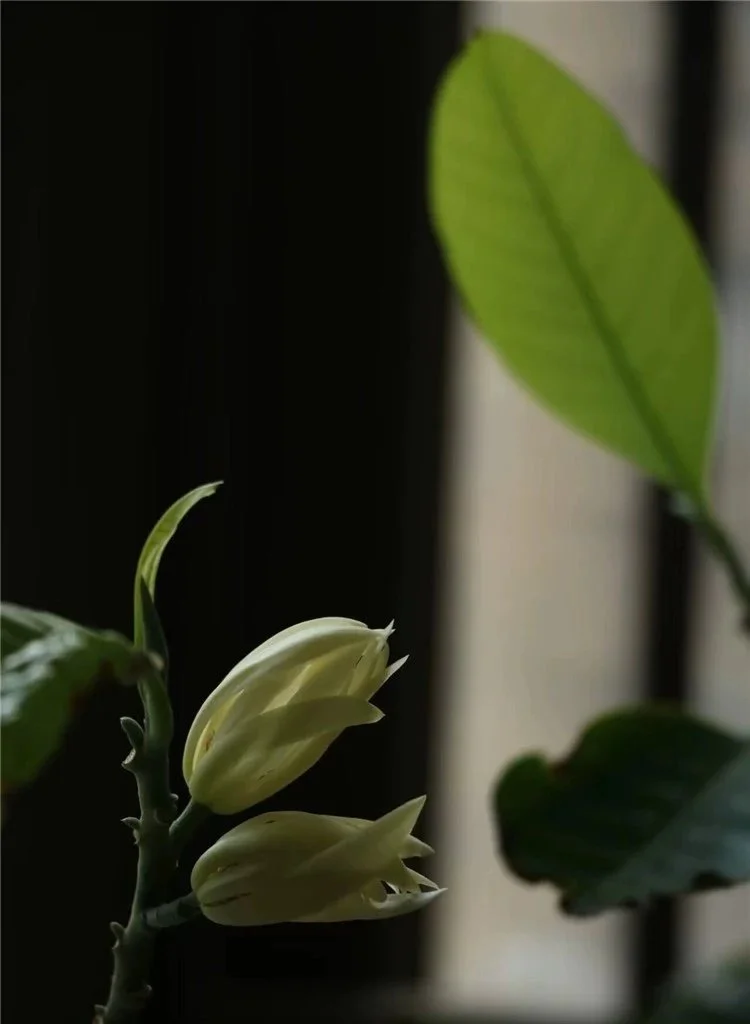 Image 1 of 8
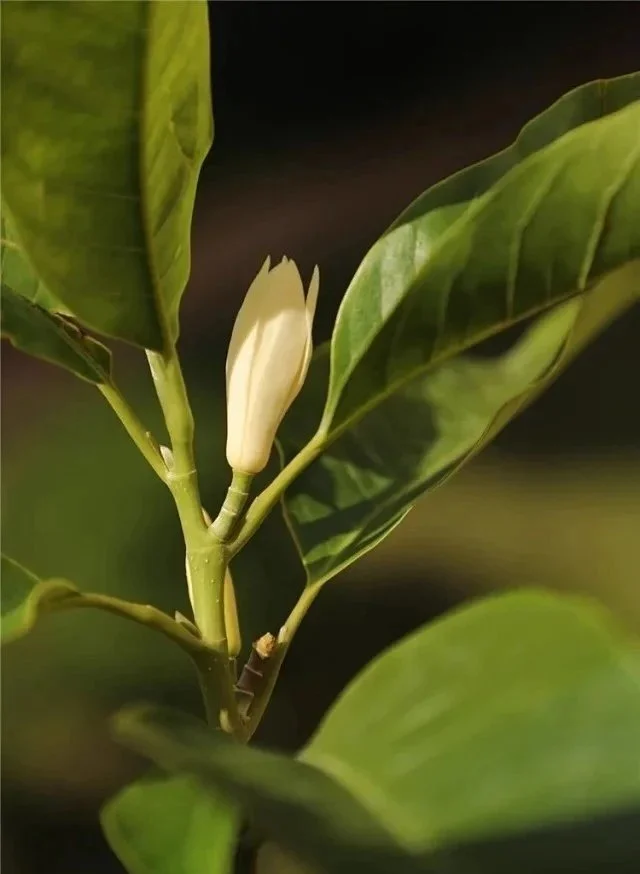 Image 2 of 8
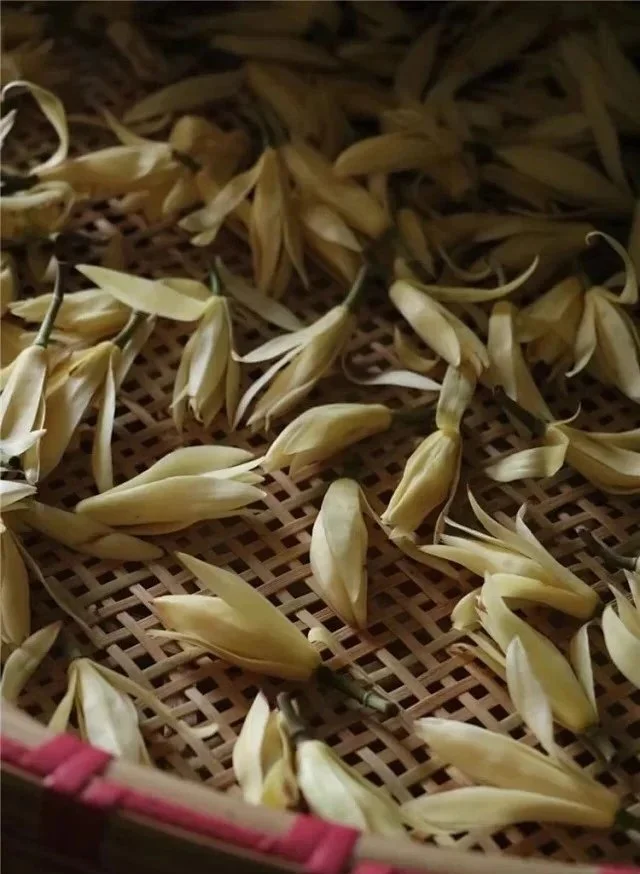 Image 3 of 8
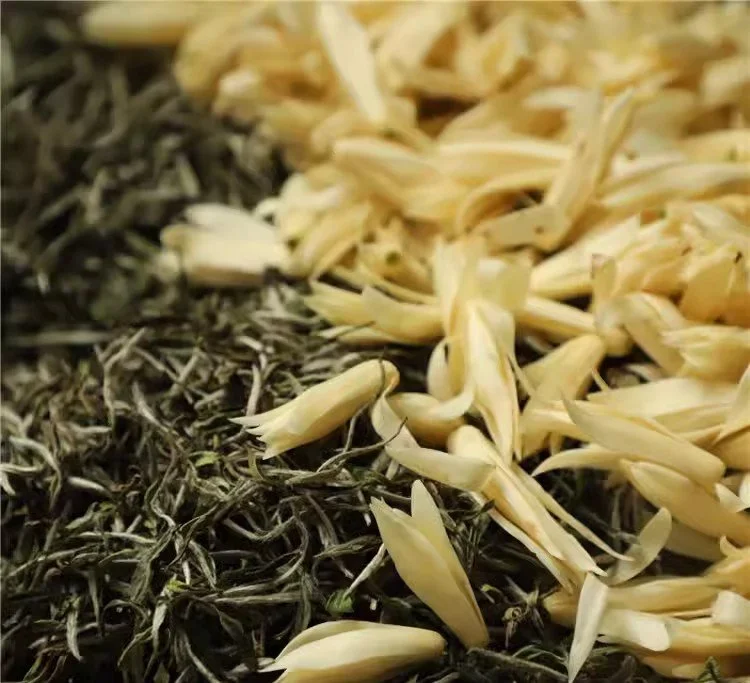 Image 4 of 8
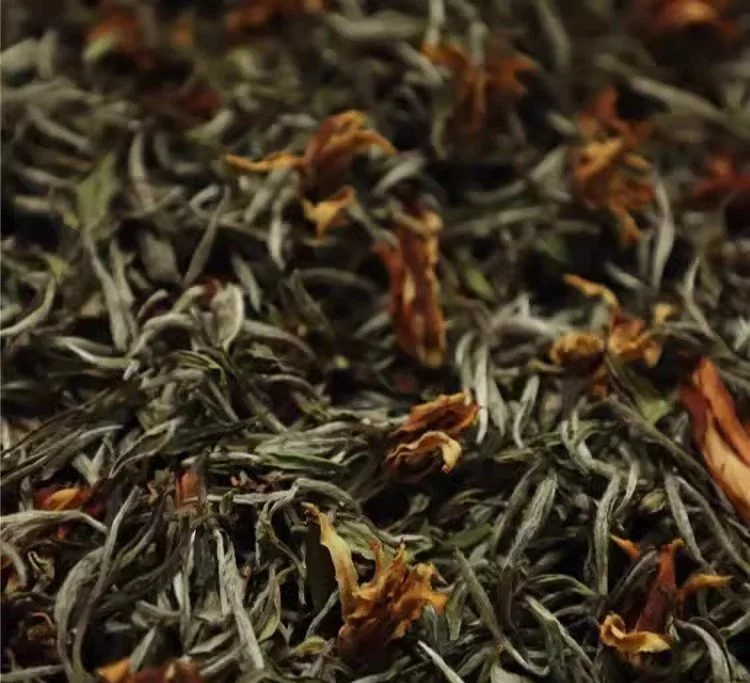 Image 5 of 8
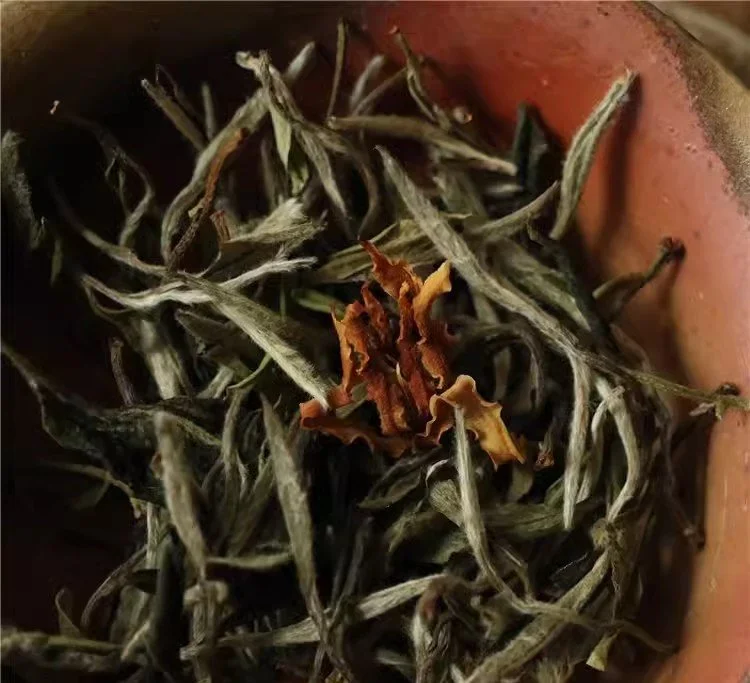 Image 6 of 8
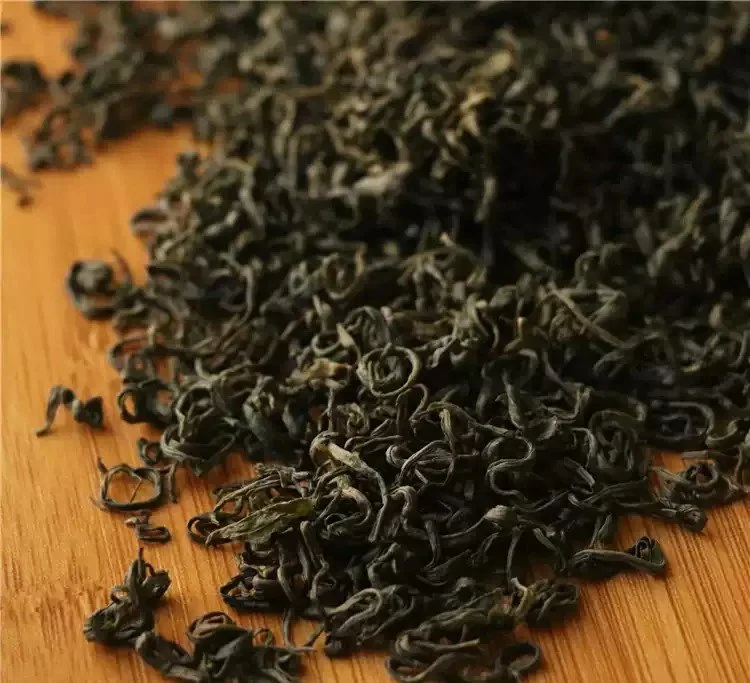 Image 7 of 8
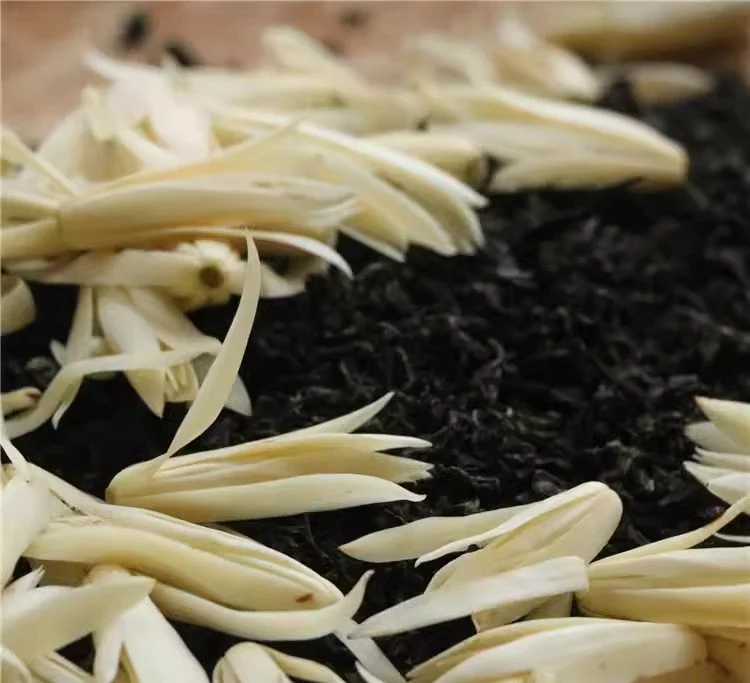 Image 8 of 8